AC Drain Clogs in Florida: Why They Happen So Often
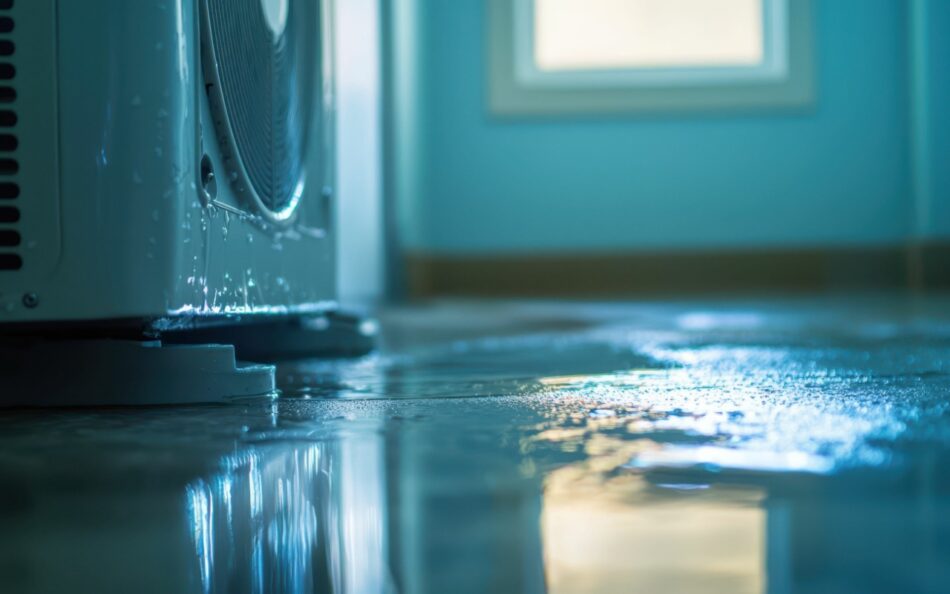
It’s one of the most frustrating things for Florida homeowners—a puddle of water near the air handler, a blinking thermostat, or worse, a system that suddenly shuts down in the middle of a humid afternoon. If this has happened to you, chances are you’re dealing with a clogged AC drain line. It’s not just a seasonal issue; in Florida’s hot and wet climate, AC drain clogs are a year-round nuisance. Understanding why they occur so frequently here, what damage they can cause, and how to prevent them can save you time, stress, and money.
The Role of the Condensate Drain Line
Every air conditioner works by removing both heat and moisture from the air. As warm, humid air passes over the evaporator coil inside your system, it cools and condenses into water droplets. This water collects in a small pan and then drains out through a thin PVC or flexible tubing called the condensate drain line. In a properly working system, this process is continuous and unnoticeable.
But in Florida, where high humidity means your system pulls gallons of water from the air daily, that small drain line is under constant pressure. Even a minor blockage can cause water to back up and overflow.
Why Drain Line Clogs Are So Common in Florida
There are three main reasons AC drain clogs are especially common in Florida homes:
1. High Humidity Means More Condensate
Florida’s humidity is no joke. Your air conditioner is not just cooling the air—it is working hard to remove moisture. That means your system is producing far more condensate water than in other parts of the country. The more water moving through the drain line, the higher the risk of clogs from buildup.
2. Algae Growth Loves the Climate
Warm, dark, and wet—your AC drain line is the perfect breeding ground for algae. Once algae begins to grow, it can thicken and create a soft blockage in the tubing. Florida’s subtropical climate encourages this kind of growth faster than most other environments.
3. Dirt and Debris from Filter Bypass
If your air filter is dirty or improperly installed, dust and debris can slip past the filter and get into the condensate pan. Over time, these particles can wash into the drain line and contribute to a clog. Homes with pets, lots of foot traffic, or older systems tend to accumulate this buildup faster.
Signs of a Clogged AC Drain Line
Most homeowners don’t realize there’s a problem until the AC stops working or water damage becomes visible. But if you know what to look for, you can catch a clog before it becomes an emergency.
- The most common warning signs include:
- Water pooling around the indoor unit or air handler
- Musty odors from vents or near the AC system
- An AC unit that shuts off suddenly or refuses to turn back on
- A blinking or blank thermostat screen (on newer systems with overflow shut-off switches)
Ignoring these signs can result in water damage to drywall, ceilings, flooring, and even electrical components. Left unchecked, mold and mildew may begin to grow inside your system or your home.
How to Prevent AC Drain Clogs
Routine maintenance is the key to preventing AC drain clogs in Florida. Schedule professional AC tune-ups at least once a year—ideally in spring before the cooling season kicks into high gear. During a maintenance visit, your technician will flush the drain line with a cleaning solution to break up algae and debris and inspect the drain pan for cracks or standing water.
Homeowners can also take a few preventive steps between visits. Pouring a quarter cup of white vinegar into the drain line access every month helps kill algae and bacteria. Just be sure to locate the proper access port and avoid overfilling. Changing your air filter regularly—every 30 to 60 days during peak use—also reduces the amount of dust and organic material entering the drain system.
If your AC shuts down frequently due to drain clogs, it may be worth installing a float switch or drain line sensor. These small devices detect rising water levels and shut off the system before any water can overflow, protecting your home and alerting you early.
What to Do If Your Drain Line Is Already Clogged
If your system has already shut down or you see standing water, it’s best to call an HVAC professional right away. A technician can use a wet vacuum, pressurized air, or a specialized drain brush to clear the clog without damaging the system. In some cases, they may need to inspect for mold inside the air handler or replace a cracked drain pan.
Avoid DIY fixes that involve pushing debris down the line, which can compact the clog even further. If water has overflowed into your ceiling or attic, contact a restoration expert to prevent further damage or mold spread.
Protect Your Home with Preventive AC Care
Call us today, at Cusano Air Conditioning, we understand the unique challenges of cooling homes in Florida’s climate. Drain line clogs are one of the most common—and most preventable—issues we see every week. Our experienced technicians can help you stay ahead of algae buildup and condensate overflow with fast, reliable service and ongoing maintenance plans that work for your schedule.
Call 954-472-8002 or email cusanoair@yahoo.com today to schedule your seasonal AC inspection and keep your system draining smoothly.